

Build an SEO Strategy That Beats Amazon & Big Retailers in the USA
In today’s highly competitive e-commerce landscape, small and medium-sized US brands often struggle to compete with giants like Amazon and other big-box retailers.
While these platforms dominate in scale and brand recognition, there’s a clear opportunity for smaller brands to leverage ecommerce SEO for small brands in the USA to carve out their own visibility, attract targeted customers, and increase revenue.
In this blog, we’ll explore actionable strategies to build a robust SEO strategy to beat Amazon and other large competitors, focusing on long-tail keywords, brand differentiation SEO, and practical approaches to boost search engine visibility in the USA market.
Challenges to Compete With Big-Box Retailers
Amazon, Walmart, Target, and other major retailers dominate search results for most product categories in the US. Their massive product catalogs, extensive reviews, and high domain authority make them almost impossible to outrank using generic keywords.
However, smaller ecommerce brands can still win by focusing on niche audiences, transactional search intent, and unique brand storytelling.
Key challenges include:
- High competition for generic keywords
- Limited brand recognition compared to retail giants
- Smaller marketing budgets
The solution lies in leveraging ecommerce SEO for small brands in the USA with a focus on long-tail keywords and optimizing content to capture highly qualified traffic.
Step 1: Conduct Comprehensive Keyword Research
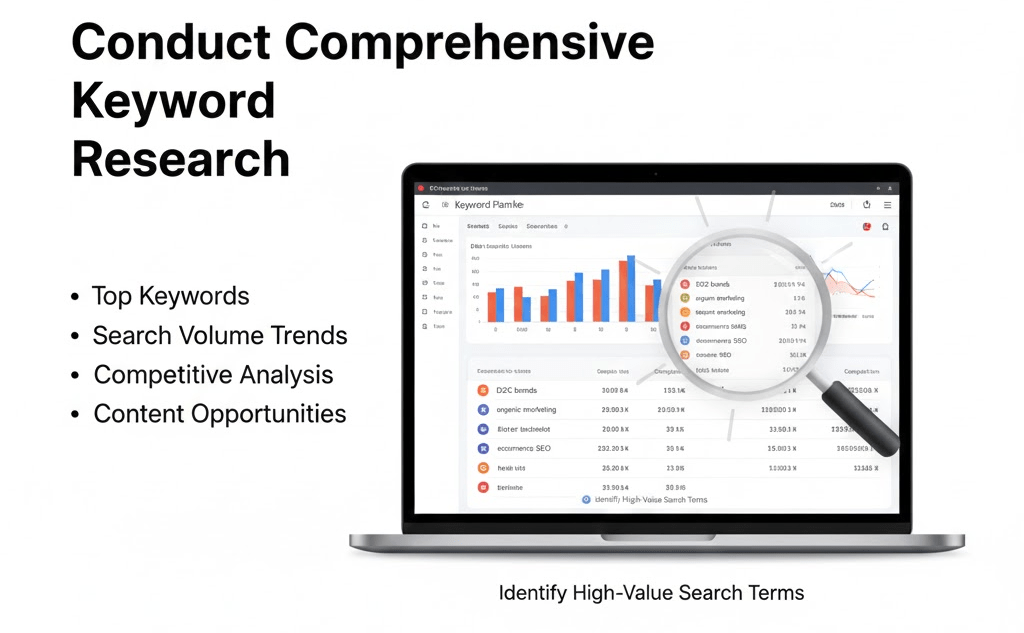
The foundation of any SEO strategy to beat Amazon is understanding what your potential customers are searching for.
Generic keywords like “women’s leggings” or “running shoes” are highly competitive and dominated by major retailers. Instead, focus on long-tail keywords USA with clear purchase intent.
For example, a small activewear brand could target:
- “eco-friendly gym leggings for women”
- “high-waist yoga leggings USA”
- “sustainable running shoes for beginners”
These keywords may have lower search volume but higher conversion potential, and they allow smaller brands to compete in niches where big retailers have less emphasis.
Step 2: Optimize On-Page SEO for Conversions
Once you’ve identified high-value keywords, the next step is brand differentiation SEO. Your website should communicate what makes your brand unique while aligning with user search intent. Focus areas include:
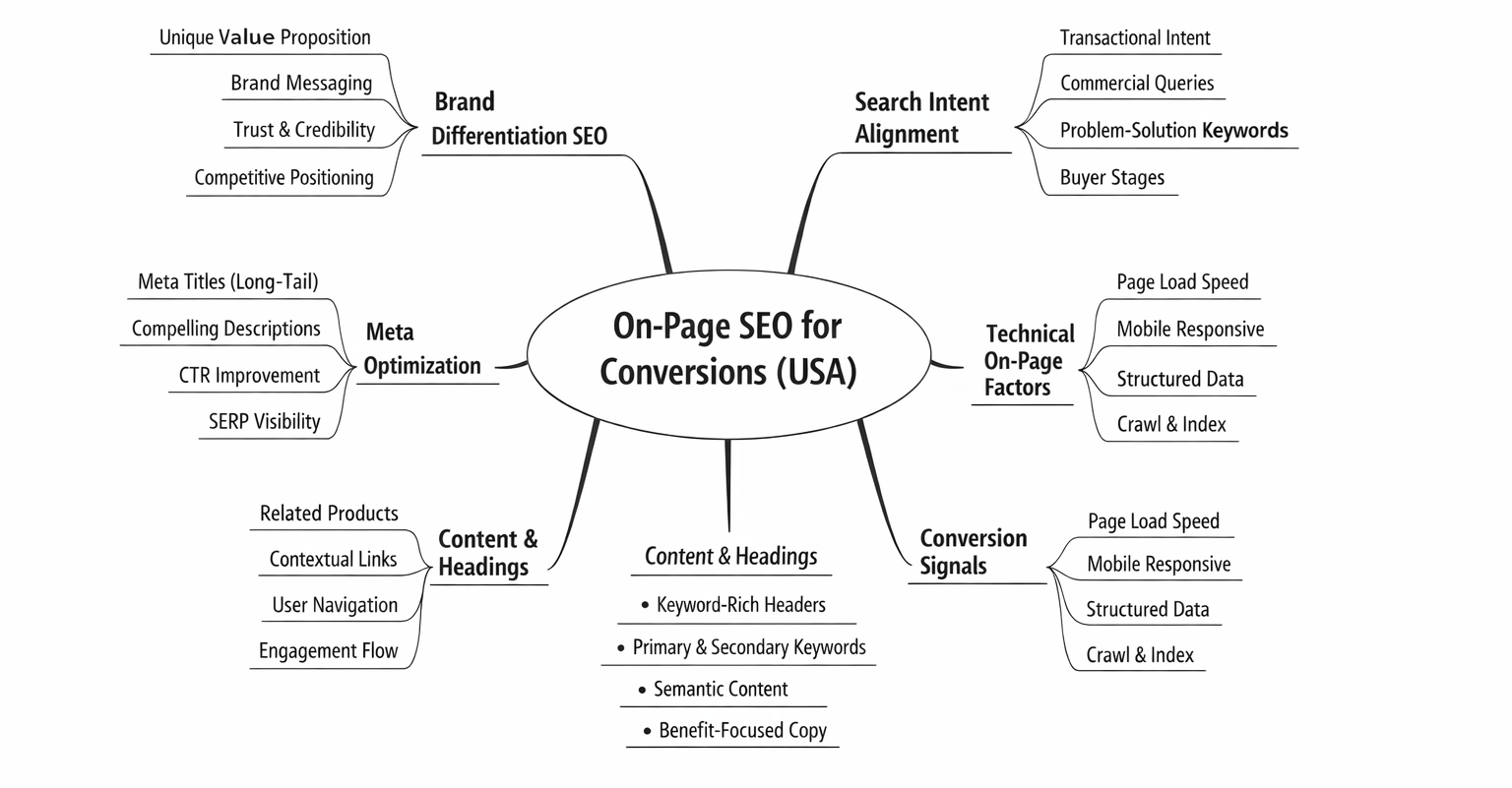
- Meta Titles and Descriptions: Include your primary long-tail keywords to target the USA naturally. Make sure they are compelling to increase click-through rates.
- Header Tags and Body Content: Use a combination of primary, secondary, and semantic keywords. For example, instead of simply saying “activewear,” describe product benefits like “soft, breathable leggings perfect for home workouts.”
- Internal Linking: Guide users through related collections and products to improve engagement and retention.
- Technical SEO: Optimize page load speed, mobile responsiveness, and structured data to improve search engine visibility for the United States market.
This combination ensures your site is not only optimized for search engines but also delivers a seamless user experience, which is critical for smaller brands competing with Amazon.
Step 3: Leverage Content Marketing to Build Authority
Content marketing is a powerful tool for smaller brands to outrank big-box retailers. By creating educational, engaging, and highly targeted content, you can attract users who are actively searching for solutions rather than just browsing.
- Blog Posts: Address common pain points, product comparisons, and lifestyle tips related to your niche.
- Guides and Tutorials: For example, a guide like “How to Choose Sustainable Yoga Leggings USA” targets transactional search intent and reinforces brand differentiation SEO.
- Video Content: Optimized for YouTube and social media, videos help capture additional organic traffic and strengthen your backlink profile.
A strategic content plan targeting long-tail keywords aiming for the USA market positions your brand as an authority, helping you gain a competitive edge over generic product listings from Amazon or other retailers.
Step 4: Build a Strong Backlink Profile
High-quality backlinks signal authority to search engines and are essential to compete with Amazon’s domain authority. Smaller brands can use a combination of organic and outreach-driven strategies:
- Guest Blogging: Collaborate with niche blogs or publications to showcase your expertise and products.
- Industry Collaborations: Partner with fitness experts, influencers, or local businesses for content that naturally links back to your website.
- Press and Reviews: Encourage coverage in media outlets and online communities relevant to your niche.
A well-planned link-building strategy enhances search engine visibility and drives referral traffic, allowing smaller brands to compete effectively with big retailers.
Step 5: Monitor, Adapt, and Refine
The US ecommerce landscape is constantly evolving, and SEO success requires ongoing monitoring. Track metrics like:
- Organic traffic growth
- Keyword rankings for long-tail keywords
- Engagement metrics (session duration, bounce rate)
- Conversion rate improvements
Use insights from analytics tools to refine your SEO strategy to beat Amazon, identify content gaps, and optimize underperforming pages. Continuous testing and adaptation ensure sustained growth against larger competitors.
Real-World Example – Feier Achieved 79% Organic Traffic Growth
To see these strategies in action, consider the case of Feier, a Mumbai-based activewear and innerwear brand. By engaging with Cybez, Feier implemented a comprehensive ecommerce SEO for small brands approach tailored to its niche audience.
Key results from the SEO campaign included:
- 79% Increase in Organic Traffic: Focused on long-tail keywords such as “women’s gym leggings” and “gym dress for women,” driving highly targeted traffic.
- 61% Growth in Revenue: SEO-driven traffic directly contributed to higher conversions, reducing dependency on paid ads.
- 250+ High-Quality Backlinks Acquired: Strengthened domain authority and enhanced search engine visibility.
- 58.2% Returning Visitors: Demonstrated strong retention and loyalty to the brand.
- Enhanced Click-Through Rates by 20%: Structured data and rich snippets helped listings stand out in search results.
Feier’s success illustrates that even against larger competitors, small brands can leverage a data-driven SEO strategy to beat Amazon by focusing on brand differentiation SEO, long-tail search terms, and consistent on-page and off-page optimization.
Step 6: Emphasize Brand Differentiation
One of the most overlooked strategies by smaller US brands is brand differentiation SEO. While Amazon offers variety and convenience, smaller brands have the advantage of unique identity, story, and curated offerings.
- Highlight your brand values, product quality, or sustainability practices.
- Share customer testimonials and success stories.
- Use targeted content to address specific customer needs.
This approach strengthens emotional engagement, increases repeat visitors, and drives conversions. When your brand resonates with users, search engines recognize the relevance and reward your site with higher visibility.
Step 7: Combine SEO With User Experience Optimization
Finally, SEO alone cannot beat Amazon if the user experience is poor. Ensure your site is:
- Fast-loading and mobile-optimized
- Easy to navigate with clear product categories
- Optimized for smooth checkout and conversion flows
A seamless website UX combined with a strong SEO strategy, ensures that users not only find your website but also complete purchases, boosting both revenue and long-term growth.
Conclusion
While competing with Amazon and big-box retailers may seem daunting, US brands have a unique opportunity to leverage ecommerce SEO for small brands, long-tail keywords, and brand differentiation SEO to gain market share.
By focusing on highly targeted search intent, building authoritative content, securing backlinks, and optimizing both technical and on-page SEO, smaller brands can improve search engine visibility and drive meaningful results.
The example of Feier demonstrates that with a strategic, data-driven SEO plan, even emerging brands can outperform larger competitors in organic traffic, conversions, and revenue.
For US brands ready to grow online without relying solely on paid ads, a focused SEO strategy to outrank marketplaces is not just possible, it’s essential for long-term success.
Cybez helps USA and global brands develop and implement winning SEO strategies that drive traffic, revenue, and sustainable growth. Contact us today to start outranking competitors and building lasting online visibility.
